
Introduction
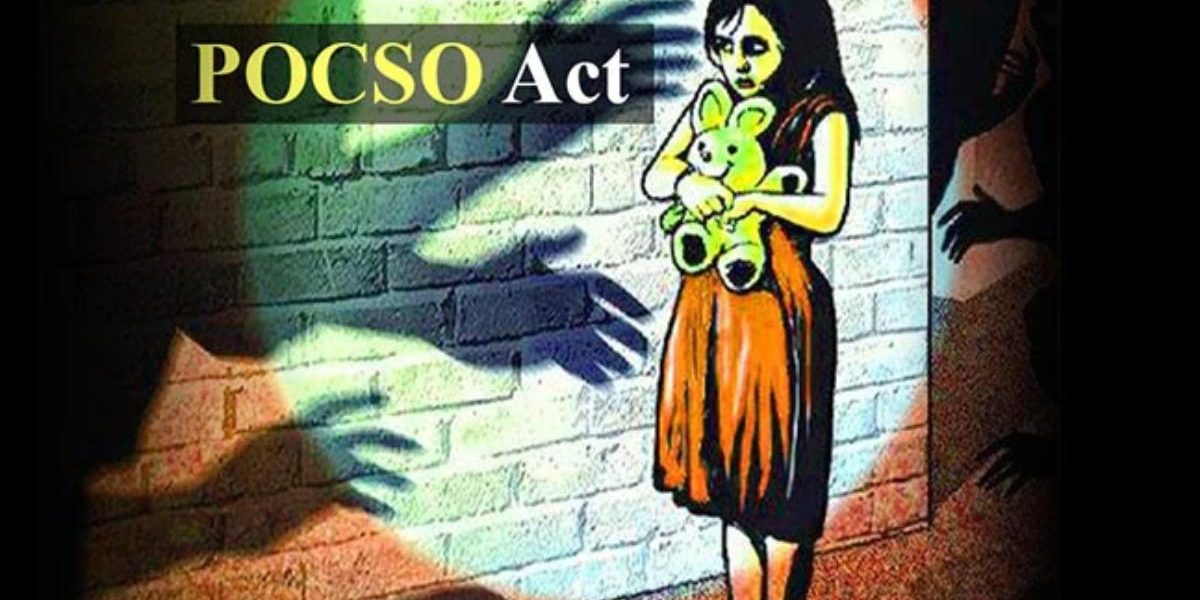
The Protection of Children from Sexual Offences Act, 2012 (POCSO) marked a significant shift in India’s approach to addressing sexual offences against children. Enacted to provide a comprehensive legal framework to safeguard children from sexual abuse, exploitation, and pornography, the Act is hailed as a milestone in child protection legislation. However, more than a decade since its implementation, POCSO’s journey reveals a mix of achievements and persistent challenges. This article explores the strengths of the POCSO framework, its implementation gaps, and the evolving role of society and the judiciary in strengthening it.
The Strength of the POCSO Act: A Holistic Approach
POCSO is widely regarded as a progressive and child-centric legislation, with several notable features:
-
Gender-Neutral Provisions: Unlike many earlier laws, POCSO applies equally to boys and girls, acknowledging that any child can be a victim of sexual abuse.
-
Special Courts and Time-Bound Trials: The Act mandates the creation of Special Courts and requires the completion of trials within one year from the date of cognizance.
-
Child-Friendly Procedures: The law emphasizes victim sensitivity—such as prohibiting aggressive questioning of the child, allowing statements in a familiar environment, and ensuring anonymity.
-
Mandatory Reporting: POCSO makes it obligatory for anyone aware of a sexual offence against a child to report it, creating a legal duty of care.
-
Presumption of Guilt in Certain Cases: In specific offences, the Act shifts the burden of proof onto the accused, reinforcing the seriousness of child sexual crimes.
Triumphs of the POCSO Framework
-
Increased Awareness and Reporting: Since its enactment, the number of reported cases under POCSO has increased, indicating that awareness and willingness to report such crimes have grown.
-
Stronger Legal Deterrence: The law has become an important tool for law enforcement, leading to swifter prosecution in many cases.
-
Judicial Activism: Courts across India have interpreted POCSO liberally to protect the best interests of the child, reinforcing the principle of “child first.”
-
Expanded Definitions: The Act’s broad definitions of sexual offences—including non-penetrative acts and verbal abuse—recognize the many forms abuse can take.
Challenges in Implementation
Despite its strengths, POCSO faces serious implementation challenges:
-
Judicial Delays: While trials are meant to be concluded within a year, backlog in courts often causes significant delays, compounding the trauma of victims.
-
Lack of Sensitization: Many police personnel, medical examiners, and judges still lack proper training on how to handle child victims sensitively.
-
Low Conviction Rates: Conviction rates under POCSO remain concerningly low, often due to hostile witnesses, poor evidence collection, or pressure on victims to withdraw.
-
Misuse and False Cases: Some cases involve allegations stemming from elopement or romantic relationships between adolescents, raising questions about the line between protection and criminalization.
-
Overlap with Other Laws: Ambiguities exist where POCSO overlaps with other statutes like the Juvenile Justice Act or IPC, leading to confusion in prosecution.
Complex Cases: Consensual Relationships Among Adolescents
One of the most debated areas in POCSO jurisprudence involves consensual romantic relationships between teenagers. Legally, any sexual activity with a person under 18 is an offence—even with consent. Courts have increasingly recognized the need to distinguish between exploitative abuse and consensual adolescent relationships, urging reforms in age of consent laws or discretionary prosecution.
Judicial Interventions and Progressive Judgments
Indian courts have taken proactive steps to uphold the spirit of POCSO:
-
Madras High Court (2021): Recommended reconsidering the age of consent in cases involving consensual adolescent relationships to avoid criminalizing teenage romance.
-
Supreme Court (Satish Ragde v. State of Maharashtra, 2021): Overturned a High Court judgment that denied applicability of POCSO due to absence of “skin-to-skin” contact, reaffirming the law’s intent to protect children from all forms of sexual abuse.
The Way Forward: Strengthening the Framework
To make POCSO more effective, reforms must address both legal and systemic shortcomings:
-
Comprehensive Training: Regular training for police, judiciary, and healthcare workers on child psychology and POCSO protocols.
-
Counseling and Support Services: Integration of psychological support, legal aid, and rehabilitation services for victims and families.
-
Revisiting Age of Consent: Engage in public and legal discourse about differentiating between exploitative abuse and consensual teenage relationships.
-
Data Transparency: Regular publication of data on case timelines, conviction rates, and compliance with procedural safeguards.
Conclusion
The POCSO Act represents a landmark in India’s fight against child sexual abuse, reflecting a sincere legislative attempt to protect the most vulnerable. Yet, its true strength lies not just in its text but in its application—by the police, courts, families, and society at large. As India continues to evolve socially and legally, ensuring that POCSO delivers justice while upholding fairness and compassion is both a challenge and a moral obligation.