
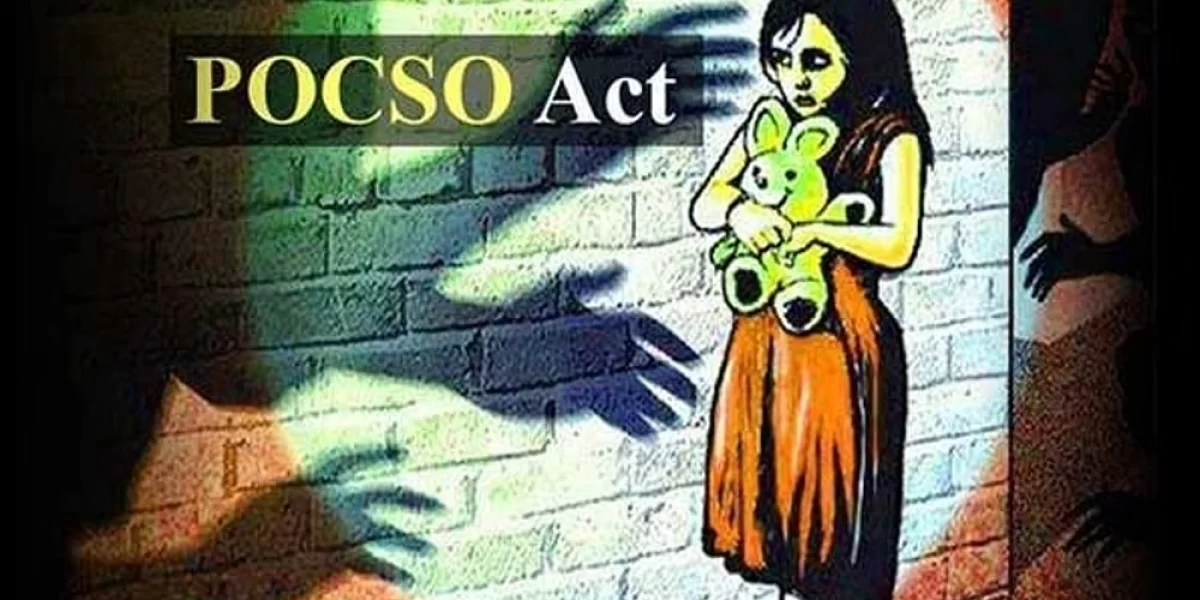
urrounding this issue has allowed it to fester behind closed doors—within homes, schools, and even religious institutions. In response to the alarming rise in such cases and the lack of a specialized legal framework, India enacted the Protection of Children from Sexual Offences (POCSO) Act in 2012. This article explores how POCSO has sought to break this silence, protect young victims, and bring offenders to justice.
Understanding the POCSO Act
The POCSO Act was designed to offer a comprehensive legal framework to address sexual offences against children (defined as individuals below 18 years of age). It criminalizes various forms of sexual abuse, including penetrative and non-penetrative assault, sexual harassment, and the use of children in pornography.
Key features of the Act include:
-
Child-friendly procedures during investigation and trial.
-
Mandatory reporting of sexual offences.
-
Time-bound trial and special courts for speedier justice.
-
Presumption of guilt for the accused under certain conditions, shifting the burden of proof.
Breaking the Silence
Before POCSO, there was no specific law dealing exclusively with child sexual abuse. Victims were often forced to rely on general laws under the Indian Penal Code (IPC), which were not tailored to the needs of children. The POCSO Act marked a significant shift by:
-
Recognizing the unique vulnerabilities of children, particularly in cases where the abuser is a family member or authority figure.
-
Creating a supportive legal environment, where victims can testify without fear or intimidation.
-
Encouraging awareness and reporting, especially in schools and child-care institutions.
POCSO has helped amplify the voices of survivors, empowering children and families to come forward. It has also driven media coverage and public discourse around child protection, which were previously taboo topics.
Challenges in Implementation
Despite its progressive intent, the implementation of POCSO faces significant hurdles:
-
Delayed Reporting: Fear of social stigma and family backlash often delays or prevents reporting.
-
Victim-Blaming Attitudes: Deep-rooted patriarchal and moral biases can lead to the dismissal of a child’s testimony.
-
Overburdened Judicial System: Many POCSO courts face case backlogs, diluting the law’s promise of speedy justice.
-
Lack of Sensitization: Law enforcement officials and even some judges are inadequately trained in handling child victims sensitively.
-
Misuse and Misinterpretation: There have been concerns about misuse in consensual teenage relationships, where the law does not distinguish between abuse and mutual consent among adolescents.
The Way Forward
To truly break the silence, India must move beyond legislation to build a culture of trust and awareness. Some key steps include:
-
Comprehensive sex education in schools, focusing on body autonomy and consent.
-
Training and sensitization of police, lawyers, and judges.
-
Stronger rehabilitation and counseling support for survivors.
-
Community engagement to challenge the shame and stigma around reporting abuse.
Conclusion
The POCSO Act has undoubtedly opened doors—legal, emotional, and social—for countless survivors. But the journey toward justice and healing is far from over. As a society, we must continue to listen, support, and believe children who gather the courage to speak out. Only then can we ensure that no child suffers in silence behind closed doors.