
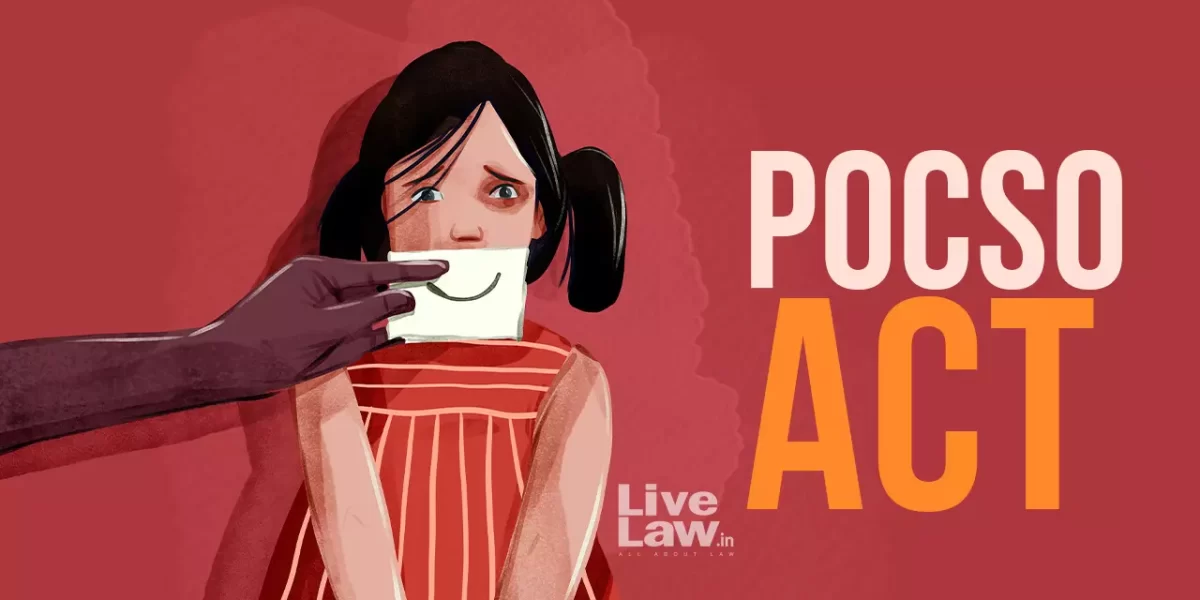
Childhood should be a time of safety, innocence, and growth. Yet, for many children, the threat of sexual abuse looms large. In response to this grave reality, the Protection of Children from Sexual Offences Act (POCSO), 2012, was enacted in India to ensure a comprehensive legal framework that protects the most vulnerable members of society.
This article explores how POCSO serves as a bridge from fear to justice, reinforcing child protection and holding perpetrators accountable.
What is the POCSO Act?
The POCSO Act was introduced to address the rising cases of sexual offenses against children in a gender-neutral, structured, and child-sensitive manner. It defines a child as anyone under the age of 18 and lays out specific offenses, including:
-
Penetrative sexual assault
-
Sexual assault
-
Sexual harassment
-
Use of children for pornography
The Act not only criminalizes these actions but also prescribes stringent punishments to deter potential offenders.
Key Features of POCSO
-
Child-Friendly Procedures:
The Act ensures that every step—from recording statements to medical examinations—is conducted in a manner that minimizes trauma. Courts are required to adopt a child-sensitive approach during trial. -
Mandatory Reporting:
Anyone who is aware of a sexual offense against a child is legally bound to report it. Failure to do so can result in punishment. -
Special Courts:
POCSO mandates the establishment of Special Courts for the speedy trial of cases, ideally within a period of one year from the date of reporting. -
Confidentiality of Identity:
To protect the dignity and safety of the child, the Act strictly prohibits disclosure of the victim’s identity in any media or public forum. -
Burden of Proof:
In many cases under POCSO, the burden of proof lies with the accused once the basic facts are established, reversing the traditional burden used in criminal trials.
Why POCSO Matters
POCSO represents a critical shift in how the law treats child survivors of sexual abuse. It replaces fear and silence with structured protection and access to justice. The Act:
-
Encourages early reporting of abuse
-
Promotes accountability in schools, institutions, and homes
-
Deters potential abusers with tough penalties
-
Recognizes psychological harm as seriously as physical abuse
Challenges in Implementation
Despite its robust framework, the Act faces challenges:
-
Delayed trials and backlog in Special Courts
-
Lack of awareness among children and families about legal rights
-
Need for better training for police, medical professionals, and judiciary
-
In some cases, misuse of the Act in personal disputes
Improving legal literacy and strengthening institutional support systems are crucial to overcoming these challenges.
Conclusion
POCSO is more than a law—it’s a promise to our children that their voices matter, that their pain will not go unheard, and that justice is possible. It transforms fear into hope, silence into strength, and most importantly, vulnerability into protection.